
Explained · Concepts
Moksha: what exactly are we trying to be free from?
Liberation is the usual translation. The harder and more revealing question is what the traditions think the bondage consists of.
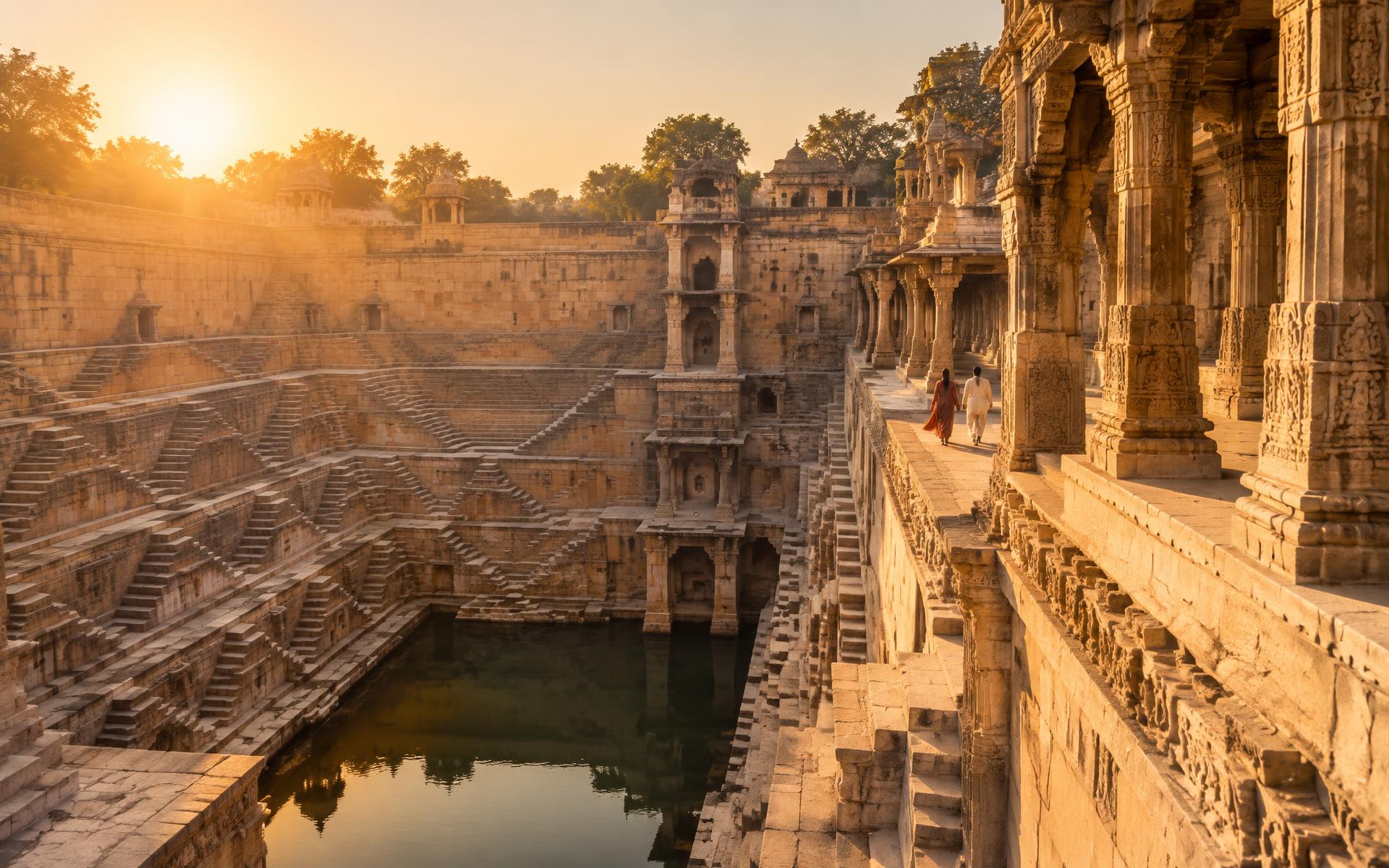
Freedom sounds simple until someone asks what is holding you. The answer determines the road out.
The idea
Liberation implies a prison
Moksha is usually translated as 'liberation' or 'release'. Both are decent renderings of the word, and both smuggle in the same question. You can only be liberated from something. A person released from prison was in prison. So before asking what moksha is, the sharper question is: what do these traditions think a human being is trapped by?
That question turns out to have several serious answers, and the differences between them are not decorative. Is the problem the cycle of repeated birth and death itself? The ignorance that is said to sustain it? The attachment that keeps action producing consequences? Or something more fundamental — the condition of being a finite, particular thing at all? Each diagnosis implies a different cure, and most of the disagreement between Indian philosophical traditions is, underneath, disagreement about the diagnosis.
The cage, and the argument about it
In many Hindu philosophical formulations, moksha is release from samsara — the round of repeated birth, death and conditioned existence. But samsara itself is not one agreed mechanism. What continues from one life to the next, what binds it, and what would count as its ending all depend on what a tradition takes the self to be. This is why moksha cannot be separated from the question of ātman: what is liberated depends entirely on what you think is there to liberate.
And 'escaping reincarnation', the version most often met in English, describes at most the exit. It says nothing about what freedom positively consists in — whether it feels like anything, whether anyone remains to enjoy it, whether it is found or made. That is where the real arguments live.
Several destinations, not one
In Advaita Vedanta, liberation is the removal of ignorance — the recognition of a non-duality that was always the case. Nothing travels anywhere; no separate self is ferried to a better place. What changes is understanding, and the change is described as total.
The theistic Vedanta schools refuse that picture. In Vishishtadvaita, liberation preserves a real, enduring self in relationship with the divine — unity of a qualified kind, not identity that erases distinction. In Dvaita, the distinction between self and God is real and remains; liberation is the fullest possible relation, not absorption. Samkhya and Yoga speak instead of kaivalya — the disentanglement of pure consciousness (puruṣa) from nature (prakṛti) — which is a different framework again and should not simply be relabelled as Vedantic moksha.
Neighbouring traditions run their own accounts. Buddhist traditions usually work with their own vocabulary, above all nirvana, and their denial of a permanent self changes the entire shape of the question. Jain traditions have distinct technical accounts of liberation as well. These are related conversations, not interchangeable doctrines, and nothing is gained by calling them all 'moksha' as if Indian traditions believed one thing.
A door in from ordinary life
Here is an analogy — ours, contemporary, not a definition of samsara or moksha. Most of us know smaller forms of captivity. Being ruled by the need for approval. Replaying a resentment for the tenth year running. Reaching for the phone before we have decided to. Wanting things, getting them, and finding the wanting simply reseeds itself. These repetitions are not the cycle of rebirth; but they give a feel for what it would mean to be bound by a pattern you did not choose and barely notice.
That leads to a reflection we would defend as worth taking seriously — again, editorial, not scripture: perhaps freedom is not finally about getting everything you want, but about examining the machinery that keeps producing the wanting. The traditions would add, each in its own way, that the machinery runs deeper than habit.
What moksha is not should also be said plainly. It is not inner peace, a calmer inbox or your best life now. It is not detachment from responsibility — the traditions that pursue it are often ferociously demanding about conduct. And it is not a technique. It is a claim about the human condition, argued over for centuries by people who disagreed about nearly everything except that the question mattered.
One aim among four
One more thing corrects a common misreading. Indian thought developed a framework of four human aims — the puruṣārthas: dharma (what a situation rightly asks), artha (means and security), kāma (desire and pleasure), and moksha. Liberation is one aim among four, and the other three are given real standing, not treated as traps for the unenlightened.
That framework was built and interpreted over time, not handed down as a single timeless life-plan, and traditions have argued endlessly about how the four rank and whether the fourth cancels the rest. But its very existence says something worth hearing: the civilisation that produced the idea of moksha also produced a serious defence of ordinary human life. A tradition that wanted only renunciation would not have bothered.
Why it matters
Dharma Pitch editorial reflection
Moksha is not one simple destination. It is a family of serious arguments about what human freedom would ultimately have to mean — and reading them against each other is more valuable than adopting any one of them prematurely.
The concept's gift to a modern reader is a deeper question than 'what do I want?' It asks: what has power over me? That question needs no metaphysics to start work.
Source & Context
Ideas later discussed under moksha develop across Upanishadic, philosophical and devotional literature; the term, the goal and the route are not formulated identically in each body of texts.
The school positions described here — Advaita, Vishishtadvaita, Dvaita, Samkhya and Yoga — are genuine and deep disagreements, summarised in outline only. Buddhist nirvana and Jain liberation accounts are distinct frameworks, not versions of moksha under another name.
The four aims (dharma, artha, kāma, moksha) are a historically developed and variously interpreted framework, not a timeless universal formula; how they rank has been argued about for as long as the list has existed.
This piece quotes nothing and gives no verse citations. Each account named here is more precise, and more argued for, than a summary can show.
A Dharma Pitch explainer describing several traditions' accounts of liberation in outline. Nothing is quoted, no citations are given, and no single tradition's account is presented as definitive.
What it raises
- 01
Finish this sentence honestly: I would call myself free if… What does your answer reveal about what you believe holds you?
- 02
Which pattern in your life repeats without your choosing it — and have you ever seriously asked what keeps it running?
- 03
Is freedom better understood as finally getting what you want, or as changing your relationship to wanting itself?
Explore further
Atman
What is liberated depends on what the Self is taken to be. The two questions cannot be separated.
Read the entryKarma
In many accounts, the accumulation of the results of action is exactly what liberation releases a person from.
Read the entryShreyas and Preyas
The Katha's distinction between the genuinely good and the merely pleasant is one entry point into why anyone would want release.
Read the entry